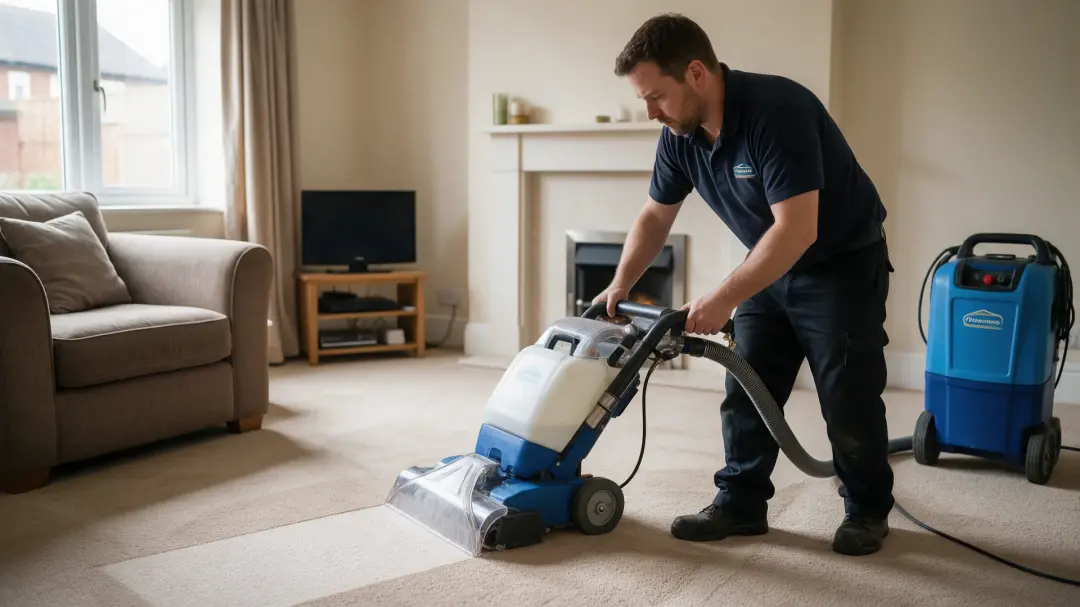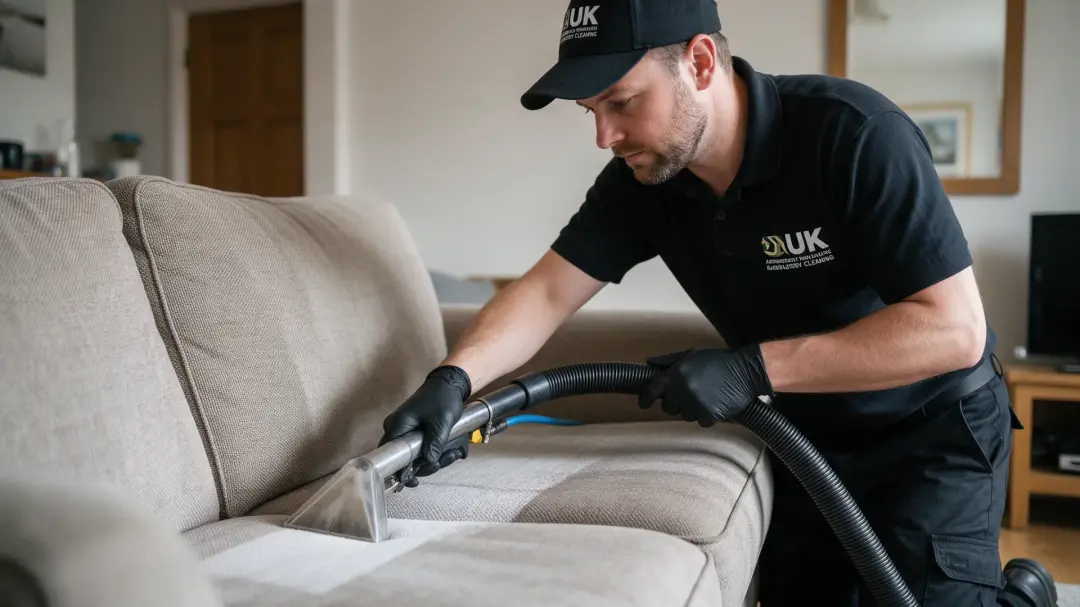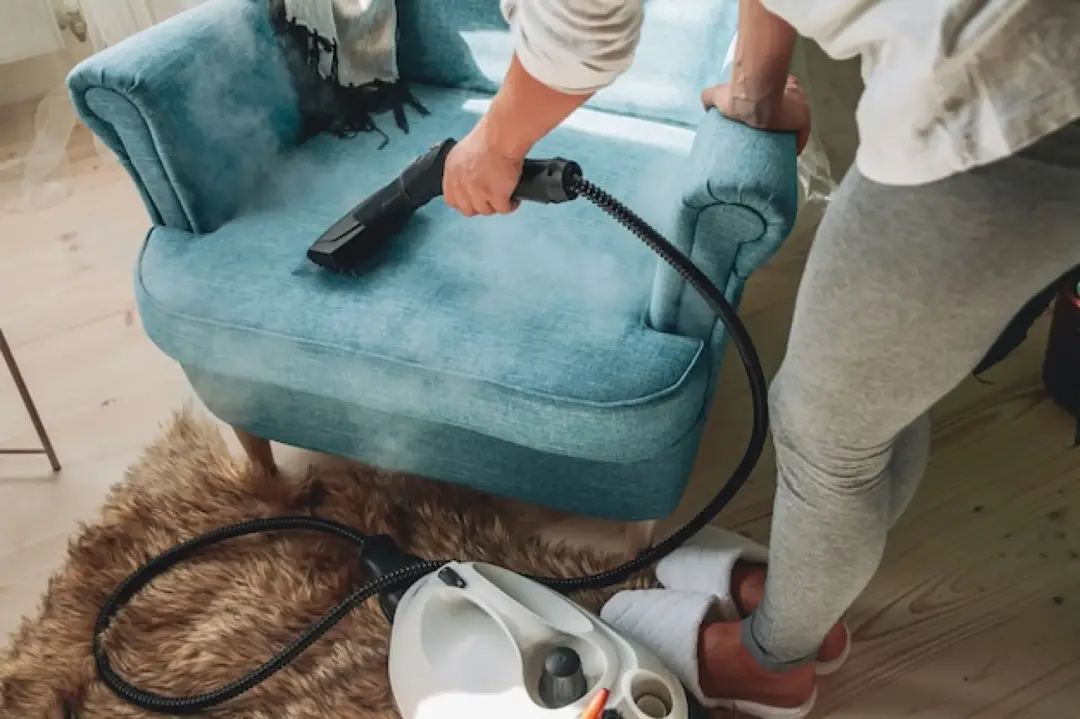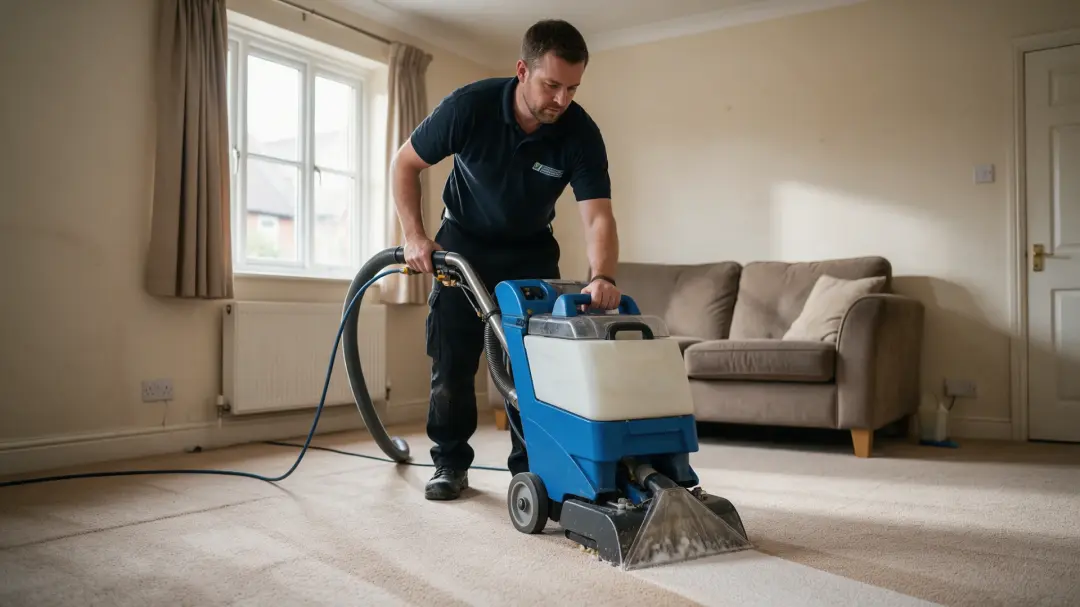
An end of tenancy carpet cleaning service should start with an agreed scope and inspection, then use a method suited to the carpets and their condition. Expect a discussion of stains, access and drying, followed by clear aftercare and a record of the work. It is a carpet service, so do not assume ovens, bathrooms or every other moving-out task are included.
Agree which carpets the booking covers
List rooms, stairs, landings and any rugs separately. Ask whether the quote includes preparation, routine spot treatment and movement of light furniture. Explain where larger items will remain. An empty-room clean and cleaning around a furnished bedroom do not give access to the same areas.
Tell the provider about pet contamination, old stains and earlier treatments. Ask whether odour work is included or requires an assessment. A written scope reduces confusion when a general end of tenancy cleaning package also involves other contractors.
Expect a condition check before treatment
The cleaner should examine material, existing wear, stains and any obvious fitting or backing concerns. Where needed, testing helps assess colour stability and suitability for the proposed method. Point out old marks recorded at check-in rather than leaving the cleaner to guess their history.
A cleaning process cannot reverse a burn, missing pile or permanent loss of dye. Ask which marks may remain and whether further treatment would risk damage. Clear expectations are more useful than an assurance that every carpet will look new.
Understand the cleaning stages
Depending on the carpet and agreed service, work may involve dry-soil removal, application of an appropriate treatment, attention to identified spots and extraction or another suitable cleaning method. The precise process should follow the carpet’s requirements, not a universal recipe.
The Carpet Institute’s maintenance guidance describes different maintenance methods and the importance of matching care to traffic and material. Ask your provider to explain its chosen approach in ordinary language, including any areas excluded from treatment.
Plan for drying before the inspection
Arrange cleaning after removal activity that could bring dirt back in, but leave time before the check-out inspection. Discuss drying with the provider: carpet type, method, ventilation and indoor conditions affect readiness. Do not schedule key handover on an assumed fixed drying time.
Ask when the carpet may be walked on, when furniture can return and what protections should remain temporarily. Keep the room ventilated as advised and avoid covering damp areas with rugs, boxes or plastic sheets.
Keep evidence of what was done
The TDS Statistical Briefing 2025 reports that cleaning featured in 54% of deposit dispute reasons in England and Wales for 2024/25. The figure concerns disputes, not all tenancies, and reasons can overlap. It is not a measure of carpet-cleaning failure.
Keep the invoice, scope, date and any notes about stains that remained. Compare the carpet after drying with the check-in record. Photographs support a written description, but a photograph alone may not show an odour or sticky residue.
Know what the service cannot promise
A receipt confirms that work was booked or performed; it does not guarantee the return of a tenancy deposit. Deposit decisions depend on the tenancy evidence and any other issues. In England, tenants can choose professional cleaning, but should not assume it is automatically compulsory.
For a rental in Oxford, discuss carpet-specific moving-out requirements with Ambassador Carpets. Ask for inspection, realistic treatment expectations and practical drying advice. Confirm wider property-cleaning tasks separately so the final handover has no overlooked jobs.
Sources and further reading
Research checked on 13 October 2026. Figures retain their stated reporting periods.
Summary
Expect an agreed carpet scope, an inspection, suitable treatment and time for drying. Book around the move and check-out, retain the paperwork and assess the results against the original condition rather than expecting cleaning to repair wear or guarantee a deposit refund.