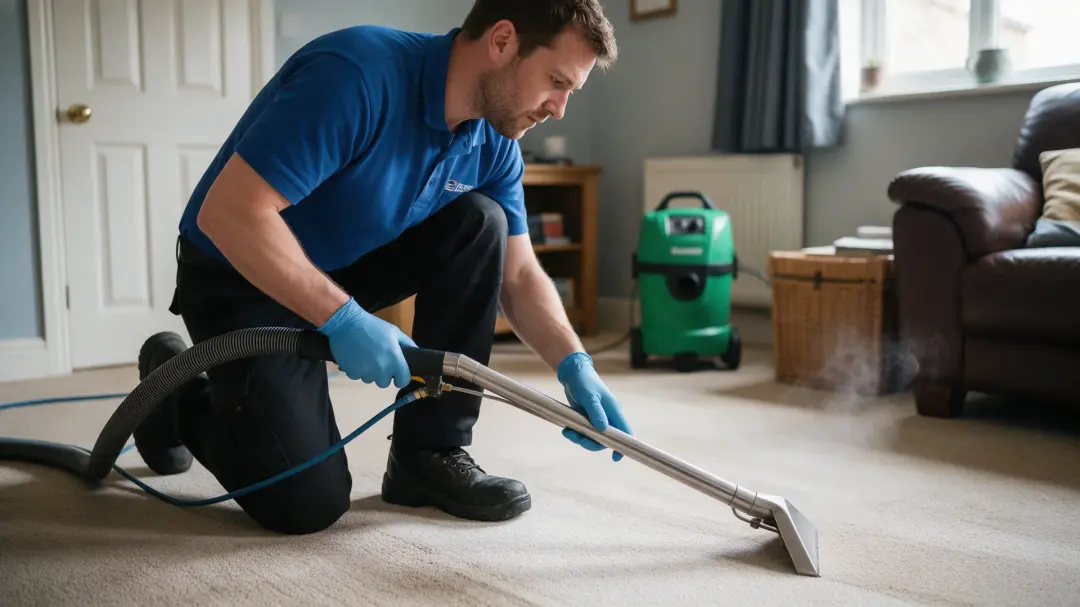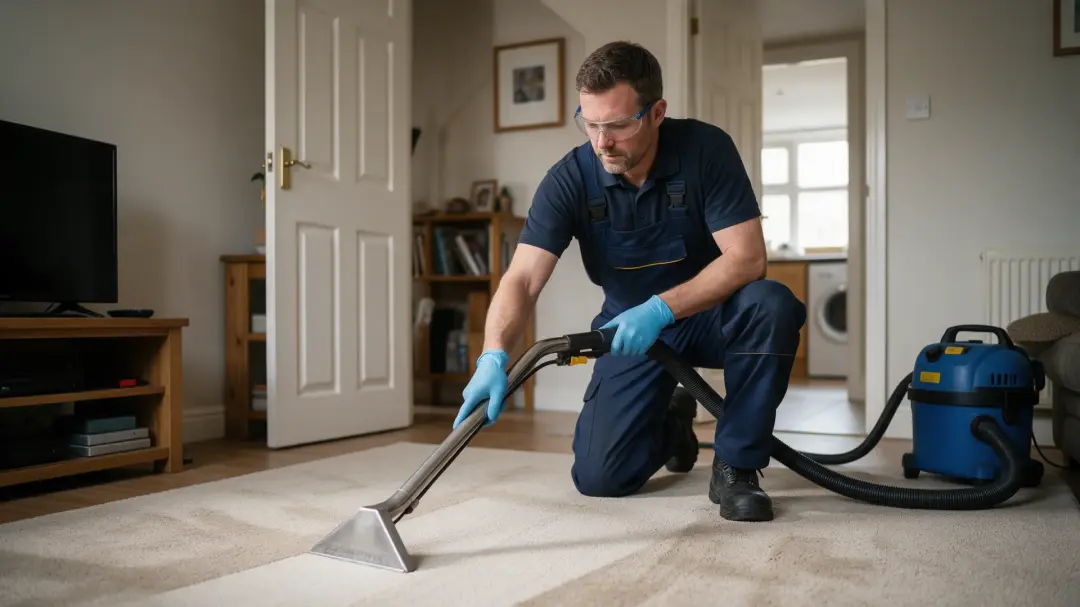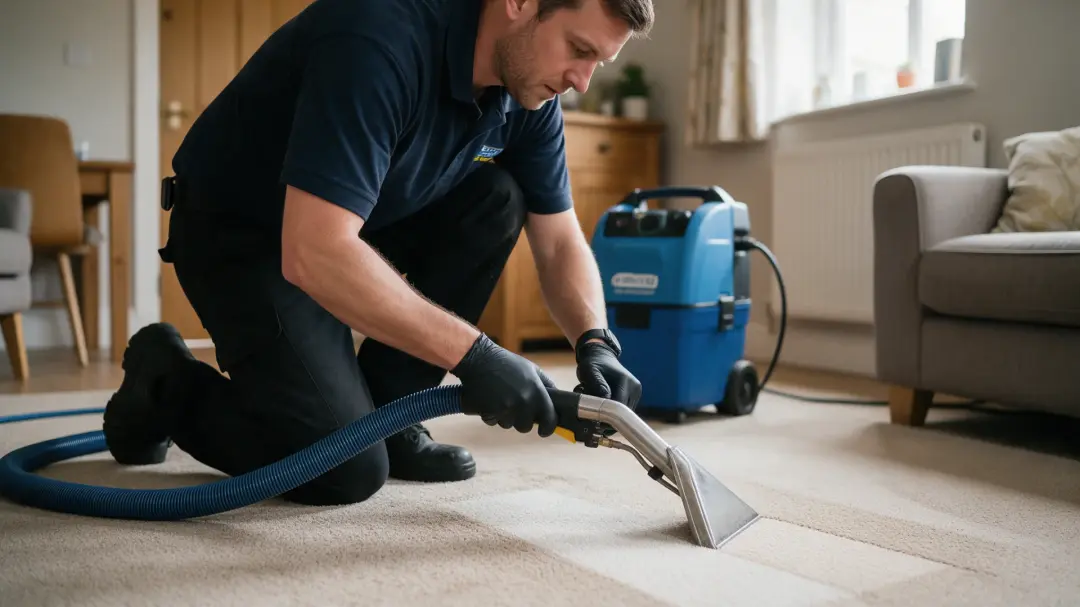
A pet-friendly carpet routine starts with prevention, regular hair removal and quick attention to accidents. Protect the paths pets use most, vacuum with equipment suited to the pile and identify contamination before it spreads below the surface. Fragrance can change how a room smells without removing what caused the problem.
Plan around your pet’s favourite routes
UK Pet Food’s 2026 research estimates 15.5 million pet dogs, with dogs in 41% of UK households. Those national figures do not prescribe a cleaning timetable. Access to the garden, shedding and preferred resting places are more useful clues to the care your carpet needs.
Walk through the home from your pet’s point of view. Identify the back-door landing, resting space beside the sofa and habitual path upstairs. Put washable protection where it catches dirt without creating a sliding, chewing or tripping hazard.
Intercept wet paws and outdoor grit
Keep a towel at the entrance and gently dry paws after wet walks. Clean entrance mats before they become saturated with dirt. A washable runner can help on a busy route if its backing and use are compatible with the flooring.
Avoid rubbing muddy prints into the pile. Remove ordinary dry, loose soil with the recommended vacuum attachment, then assess the remaining mark. Grit and oily outdoor contamination are different problems; indiscriminate wet cleaning can spread them.
Remove hair without damaging the carpet
Vacuum the areas pets occupy more frequently than lightly used rooms. Empty the machine and remove hair from the brush roll as its instructions specify. A clogged attachment can leave fur behind even when the motor sounds normal.
Check whether a rotating brush is permitted on your carpet. Looped or delicate pile may need another head. Forceful rubber scraping and stiff brushes can snag fibres. Wash pet bedding according to its label so a freshly cleaned floor is not immediately covered by debris from an unwashed bed.
Deal with accidents safely
Lift solid contamination using disposable material and blot liquids promptly. Select a pet-stain product only when it is compatible with the carpet, following its application and contact-time instructions. Do not assume an enzyme cleaner suits every fibre, especially wool.
Keep the animal away until the area is ready for use. Avoid hot treatment on urine before specialist advice. Repeated accidents in one place may reach backing or underlay and need a different approach from routine surface cleaning.
Find odours rather than masking them
Check bedding, furniture edges and missed accident sites before spraying a whole room. Persistent dampness, a musty smell or widespread contamination calls for investigation. A perfume may temporarily hide the warning without resolving it.
When accidents suddenly increase, speak to your vet about the animal as well as addressing the carpet. A furnishing treatment cannot correct a health-related or behavioural cause. Make the resting place easy to maintain and offer an alternative while the usual spot dries.
Prepare for professional carpet care
Tell the cleaner which pets live in the house and where contamination occurred. Ask what must be moved, how to isolate treated rooms and when animals can return. Arrange a safe resting space with water while work takes place.
Households in Witney can discuss pet-used rooms with Ambassador Carpets. Ask separately about routine carpet cleaning and persistent odour treatment, with any limitations explained. Review the floor’s condition regularly rather than assuming an annual appointment solves every accident.
Sources and further reading
Research checked on 13 October 2026. Figures retain their stated reporting periods.
Summary
Concentrate daily care on the routes and resting spots that collect the most dirt. If routine hair removal no longer restores the carpet, or an odour keeps returning, arrange an assessment of the affected rooms and any contamination beneath the pile.