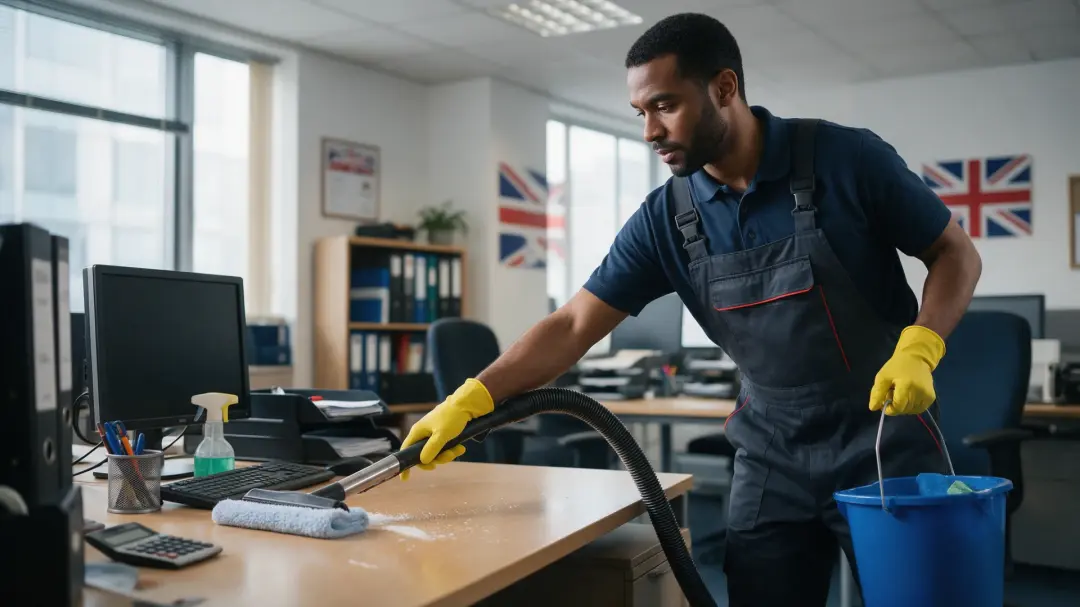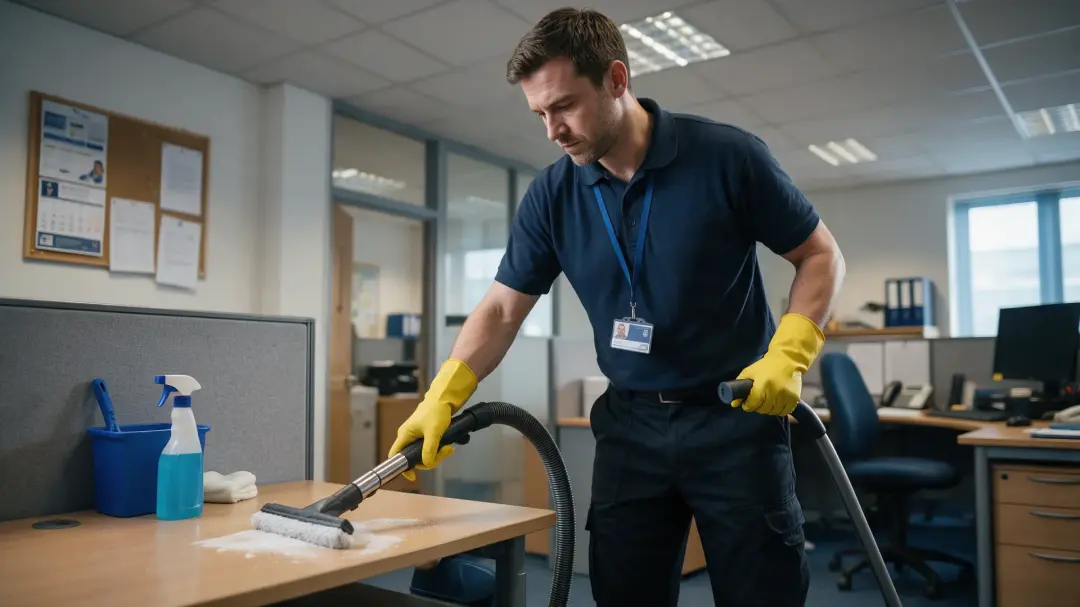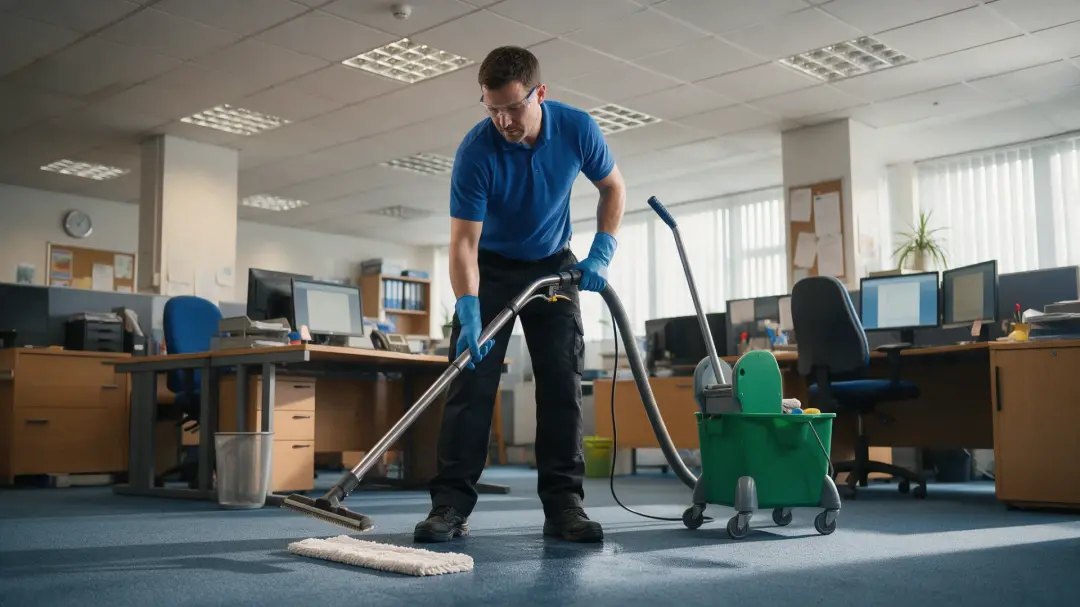
A complete office cleaning checklist should cover occupied work areas, shared rooms, hygiene facilities, floors and the checks needed before reopening them. Use the list below as a starting point and adapt it to the premises. Separate routine cleaning from equipment servicing and specialist carpet treatment so every task has a clear owner.
Before cleaning starts
- Check the agreed task list, occupied rooms and access restrictions.
- Collect labelled products and the equipment specified for each surface.
- Inspect cables and tools using the workplace’s equipment procedure.
- Identify spills, damage and routes that must remain accessible.
- Arrange safe handling of waste, including any separate recycling or confidential bins.
Do not open private drawers or move documents to make a desk easier to clean. Report an obstruction and follow the agreed clear-desk policy. Confidential waste should stay within its authorised disposal process.
Desks, meeting rooms and shared touchpoints
- Remove loose dust from approved accessible surfaces.
- Clean handles, switches and shared touchpoints with compatible products.
- Check meeting tables and chair surfaces for food residue or spills.
- Clean screens and keyboards only where authorised, using manufacturer guidance.
- Straighten movable furniture without blocking exits or access routes.
Avoid spraying liquid directly into electrical equipment. Do not claim disinfection unless the product, surface preparation and required contact time support that procedure. A normal office does not need an invented clinical cleaning regime.
Kitchen and refreshment areas
- Remove food debris and clean agreed worktops and sink surfaces.
- Attend to taps, appliance handles and splash areas.
- Empty relevant waste and replace liners when needed.
- Clean the floor using the procedure for its material.
- Check supplies and report leaks, blocked drains or pest evidence.
Agree who clears personal food from the fridge and who cleans appliance interiors. Label these as separate tasks with permission and timing; silently discarding belongings is not a cleaning standard.
Toilets and washrooms
- Clean toilets, basins and the agreed surrounding surfaces.
- Use tools allocated to washrooms rather than transferring them to food areas.
- Check soap, paper and other supplies against the required stock level.
- Remove waste through the correct disposal route.
- Leave floors dry and report damaged fittings or ventilation problems.
Workers need appropriate product handling and skin protection. HSE’s dermatitis guidance identifies cleaning-product and water contact as risks to manage. Gloves and other controls should be selected for the task, not assumed suitable merely because they are available.
Carpets, hard floors and entrances
- Remove loose soil from accessible carpet and busy circulation routes.
- Inspect mats and flooring edges for movement or damage.
- Identify and record fresh stains rather than scrubbing unknown materials.
- Clean hard floors with suitable equipment and restrict access while necessary.
- Keep cables and collected waste out of walking routes.
The HSE 2024/25 reported-injury breakdown attributes 17% of non-fatal employee injuries reported under RIDDOR to handling, lifting or carrying. This is an all-industry figure. It supports planning safe furniture movement and equipment handling rather than asking cleaners to shift heavy items unaided.
Periodic tasks and final inspection
Add separate lines for accessible skirting, carpet edges, upholstered seating and planned deep cleaning. High-level work, vents and specialist equipment may need a trained contractor or maintenance team. Do not reach from unsuitable furniture to complete a checklist.
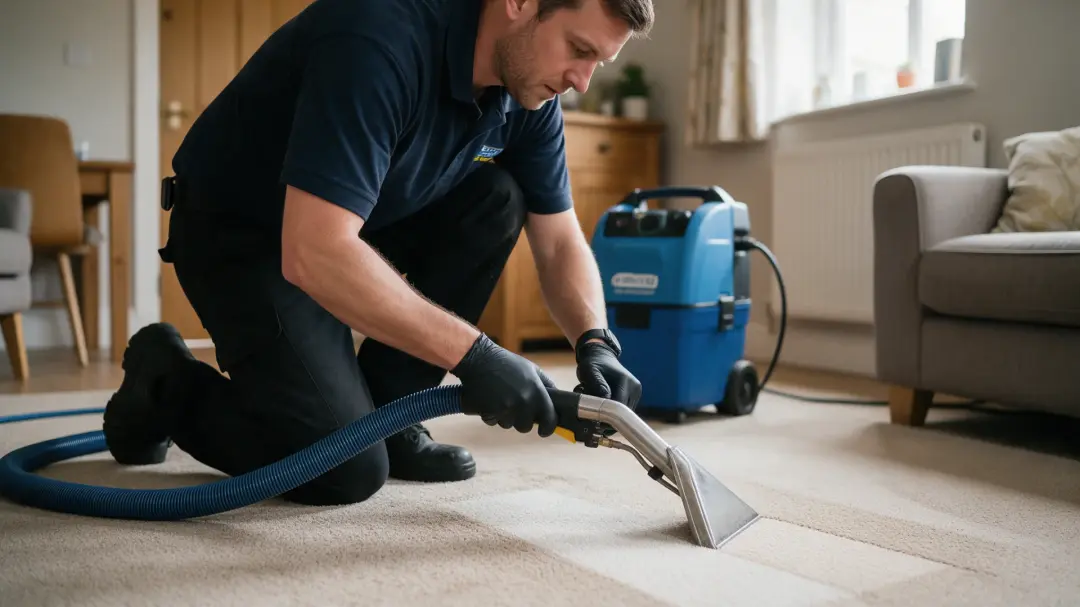
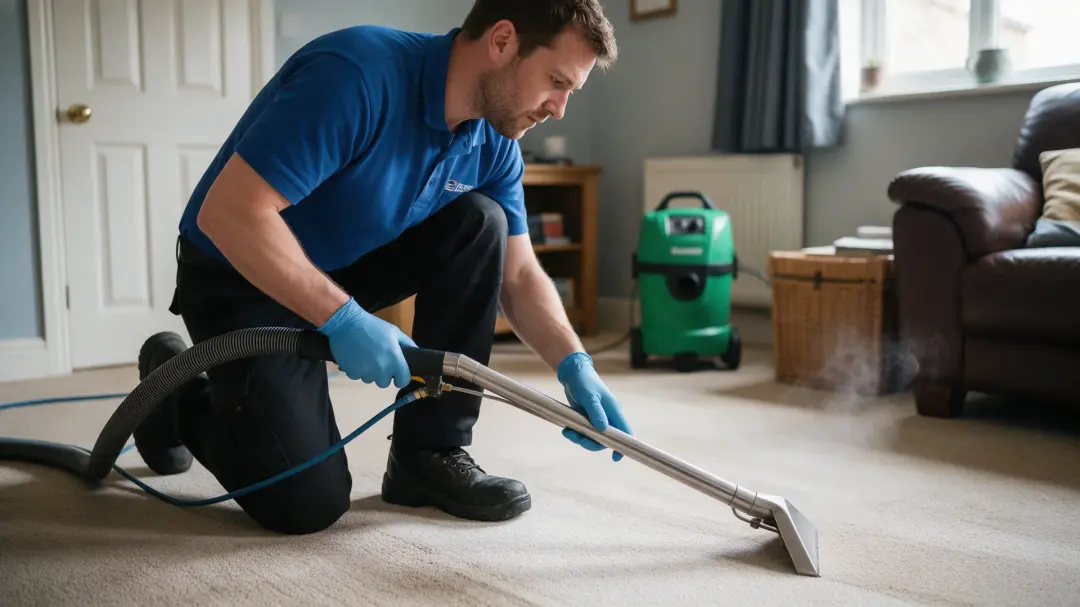
Finish by checking dryness, waste removal, restored access and any tasks left incomplete. Record exceptions and tell the person responsible. Offices in Witney can ask Ambassador Carpets about specialist carpet treatment; confirm the arrangements for general housekeeping separately when planning workplace maintenance.
Sources and further reading
Research checked on 13 October 2026. Figures retain their stated reporting periods.
Summary
Use this checklist to assign work, identify omissions and verify safe handover. When office carpets still look soiled after normal vacuuming, arrange specialist care alongside the routine cleaning plan and agree which rooms and routes need treatment.